August 22, 2026
Solid Wood vs. Wood Veneer: What Luxury Furniture Buyers Should Know
When people start shopping for high-end furniture, one question comes up almost immediately: should this piece be made from solid wood, or is veneer acceptable? The honest answer is that both have a place in luxury interiors — but knowing the difference changes what you should expect to pay, and how the piece will age.
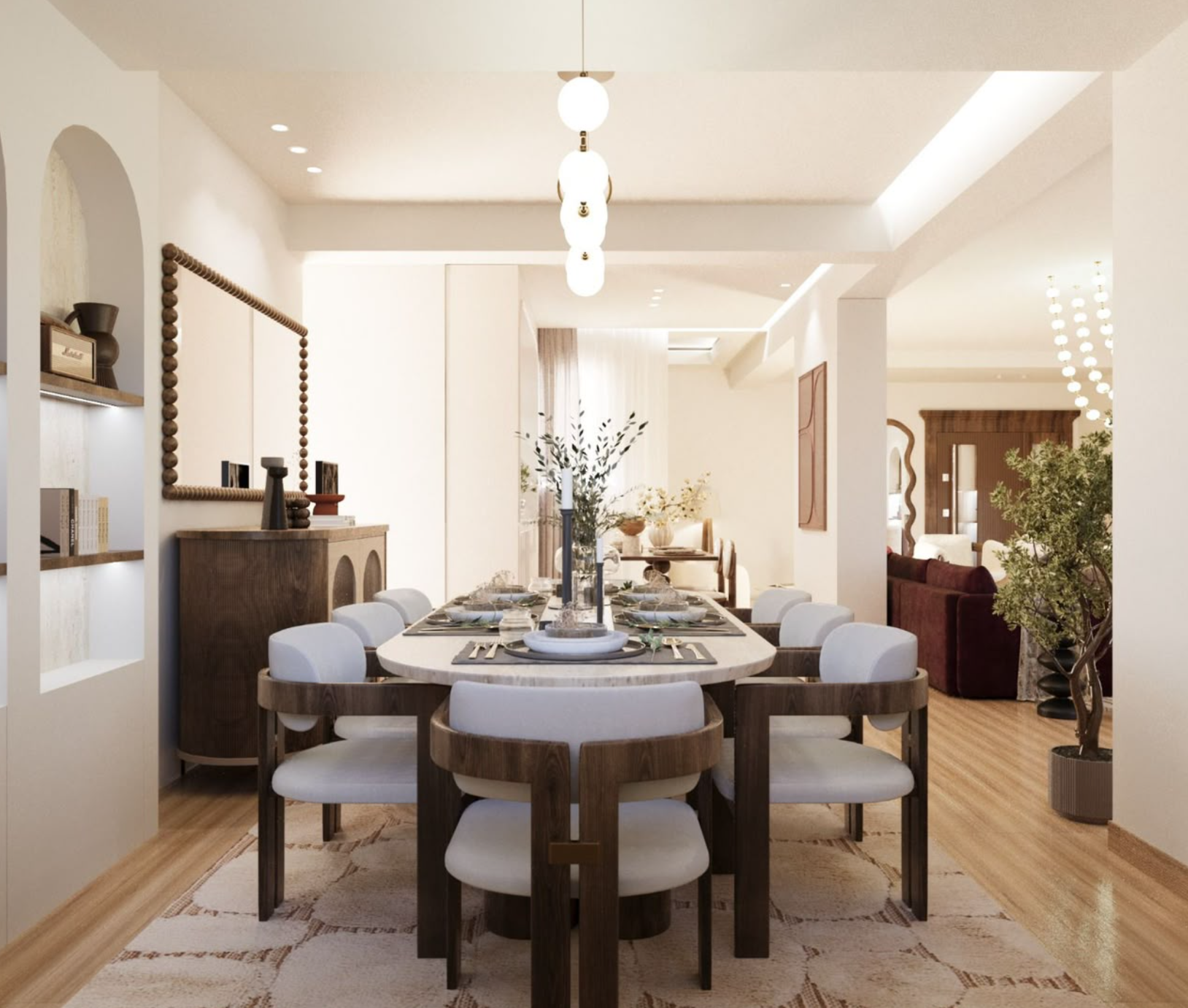
Solid wood means exactly what it sounds like: the visible surface and the structure underneath are made from the same block of timber, whether that's oak, walnut, or teak. Because the material runs all the way through, solid wood pieces can be sanded and refinished multiple times over their lifetime. A well-made solid oak dining table can realistically last three or four decades, developing a deeper, richer patina with age rather than looking worn out. This is why solid wood remains the standard for statement pieces — dining tables, coffee tables, and any furniture that gets direct daily contact.
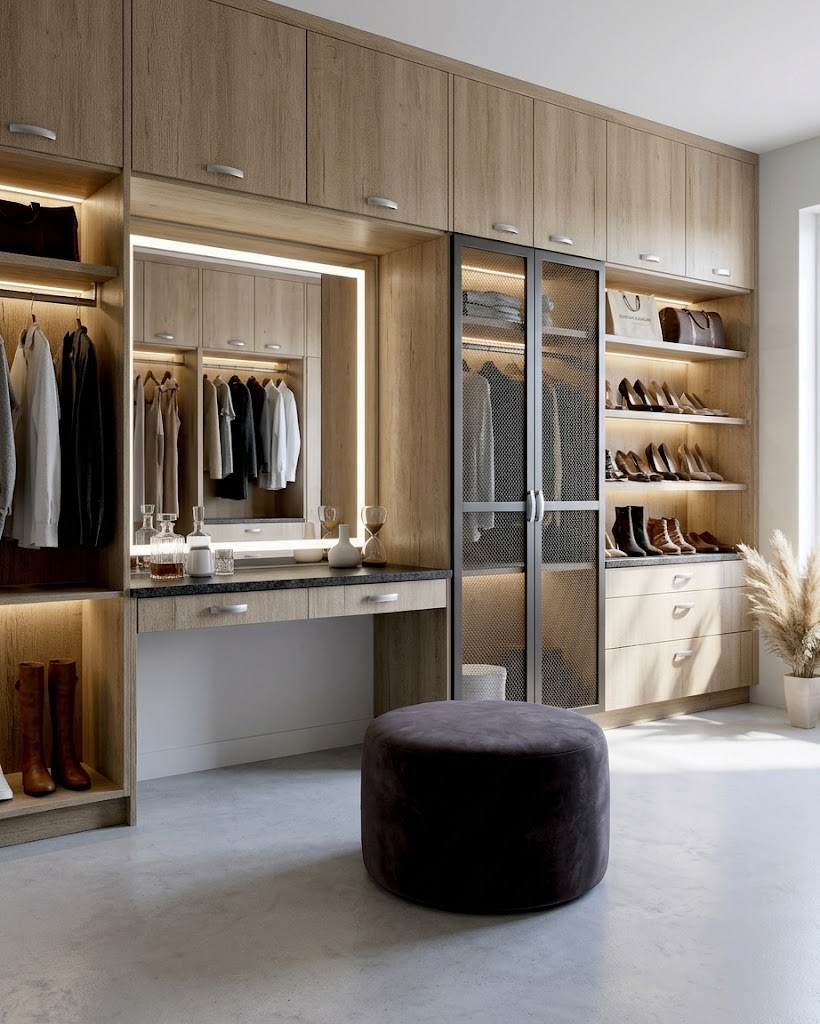
Veneer, on the other hand, is a thin layer of real wood — typically less than 3mm thick — bonded onto a core material like high-density MDF or plywood. This is not the same as laminate or wood-look vinyl, which use printed patterns instead of actual wood. A quality veneer piece still uses genuine timber for its visible surface, which means the grain and color are real, not printed. The core underneath, however, gives veneer construction two real advantages: it resists warping and expansion far better than solid wood in humid or dry climates, and it allows for large, perfectly flat panels — something solid wood struggles with on wide surfaces like wardrobe doors or long panels, where a single wide plank would be prone to cracking as it dries and shrinks.
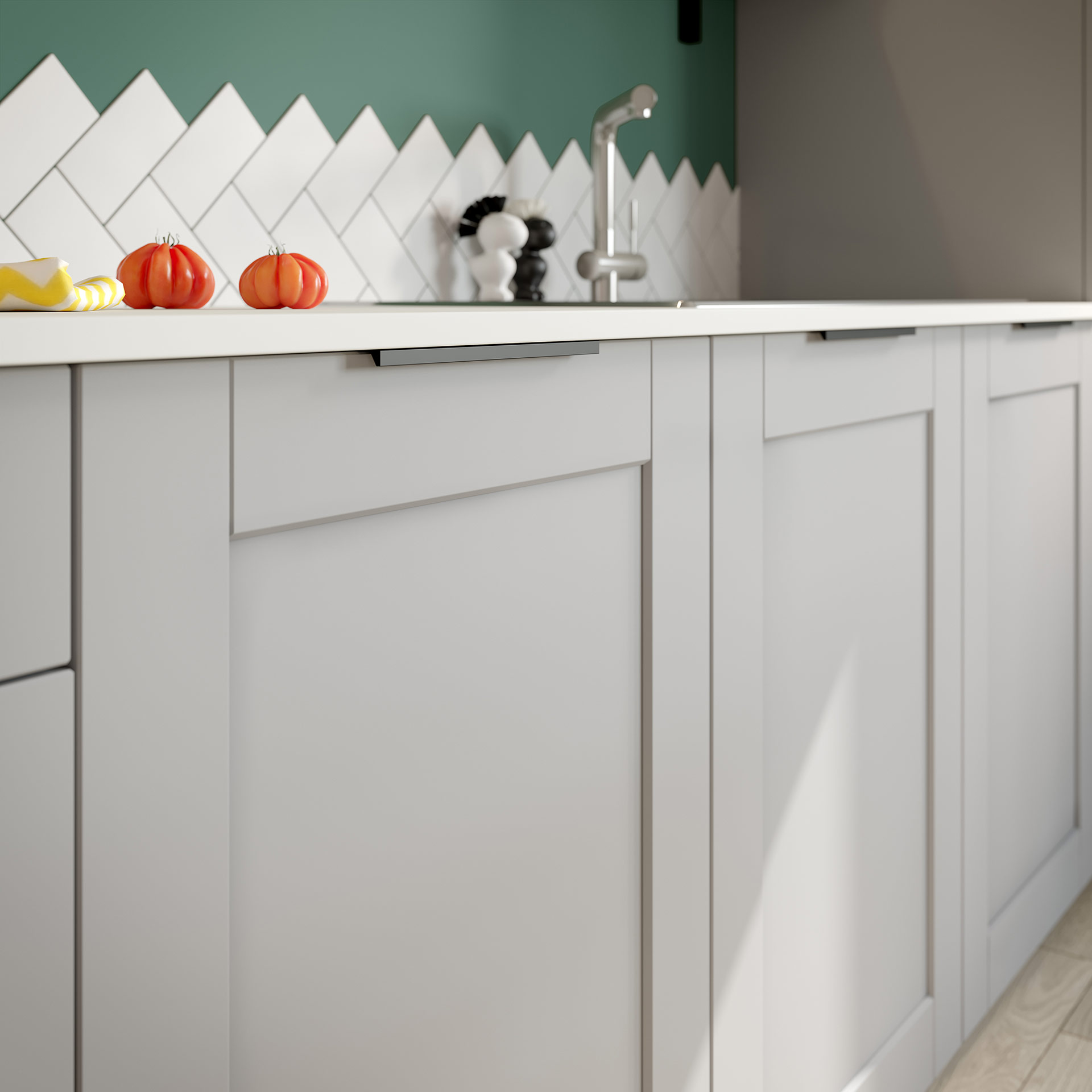
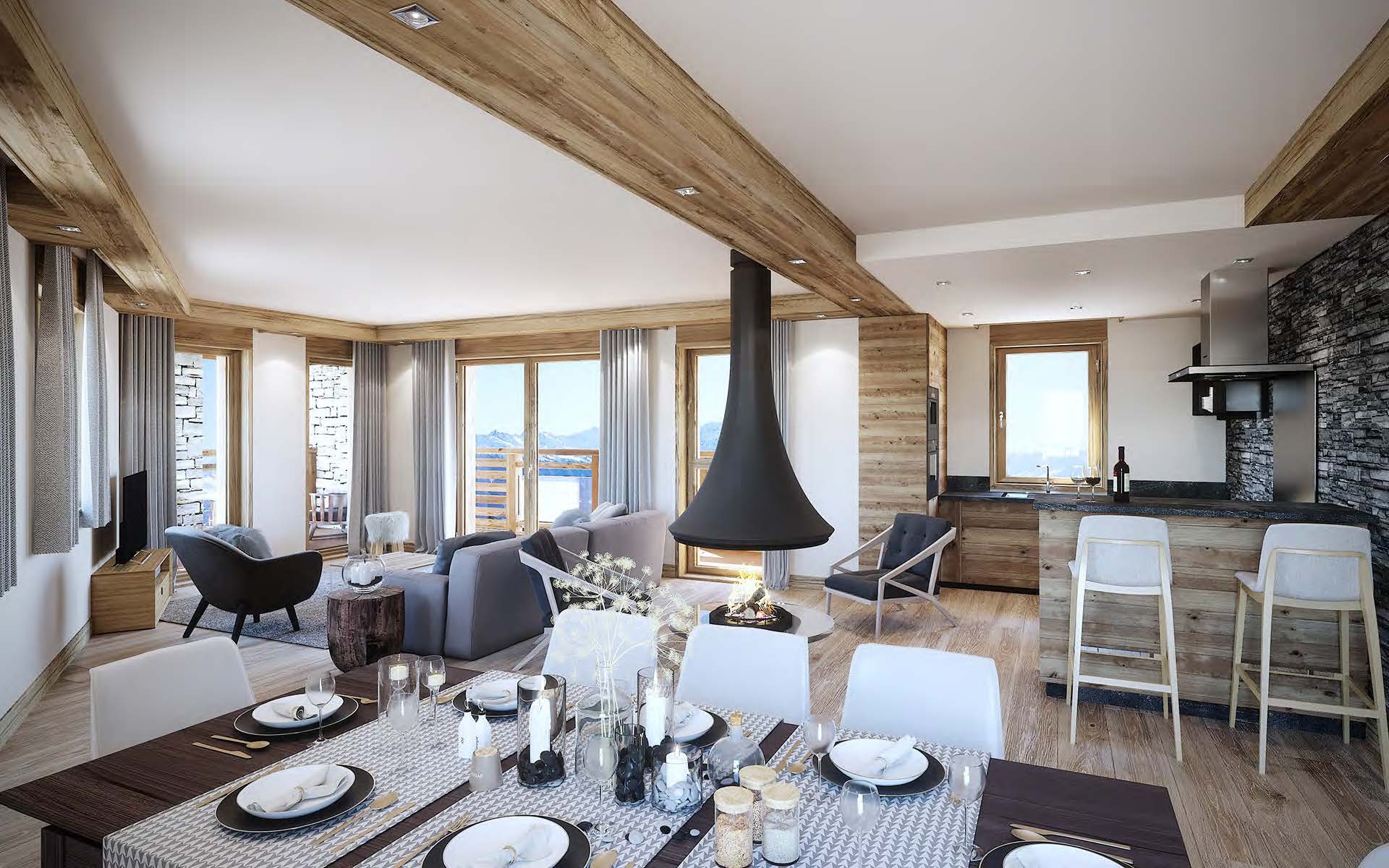
So which one should you choose? For load-bearing legs, tabletops that see daily use, and pieces meant to be family heirlooms, solid wood is worth the investment. For large flat surfaces — wardrobe doors, tall cabinet panels, or feature wall panels — veneer over a stable core is often the more sensible engineering choice, and it is what many respected furniture workshops use for exactly these applications, not as a shortcut but as the correct material for the job.
At Dervano Studio, we specify solid wood and veneer deliberately, piece by piece, based on what the design actually needs — not to cut cost, but to get the right balance of beauty, stability, and longevity. A dining table base might be solid walnut, while a large wardrobe door uses a matched walnut veneer over a stable core so it stays perfectly flat for years. This is standard practice among serious furniture makers worldwide.
If you're evaluating a quote from any workshop, don't be alarmed if a piece uses both solid wood and veneer in different parts — that's usually a sign of thoughtful engineering, not a downgrade. What matters more is the quality of the veneer itself (real wood, properly matched grain, correctly bonded to a stable core) and the quality of the solid wood joinery (mortise-and-tenon or dovetail joints rather than just screws and glue).
A few practical questions worth asking any workshop before you commit:
- Is the veneer real wood, or is it a printed laminate?
- What core material sits under the veneer, and is it moisture-resistant?
- For solid wood pieces, how is the wood kiln-dried, and to what moisture percentage? Improperly dried wood is the number one cause of cracking and warping after delivery.
- Can you see finished samples of both the solid wood and veneer work before committing to a full order?
Whether you choose solid wood, veneer, or — like most premium interiors — a thoughtful mix of both, understanding the difference means you're making an informed decision rather than guessing. That's the kind of clarity we try to give every client who walks into a conversation about custom furniture with us.